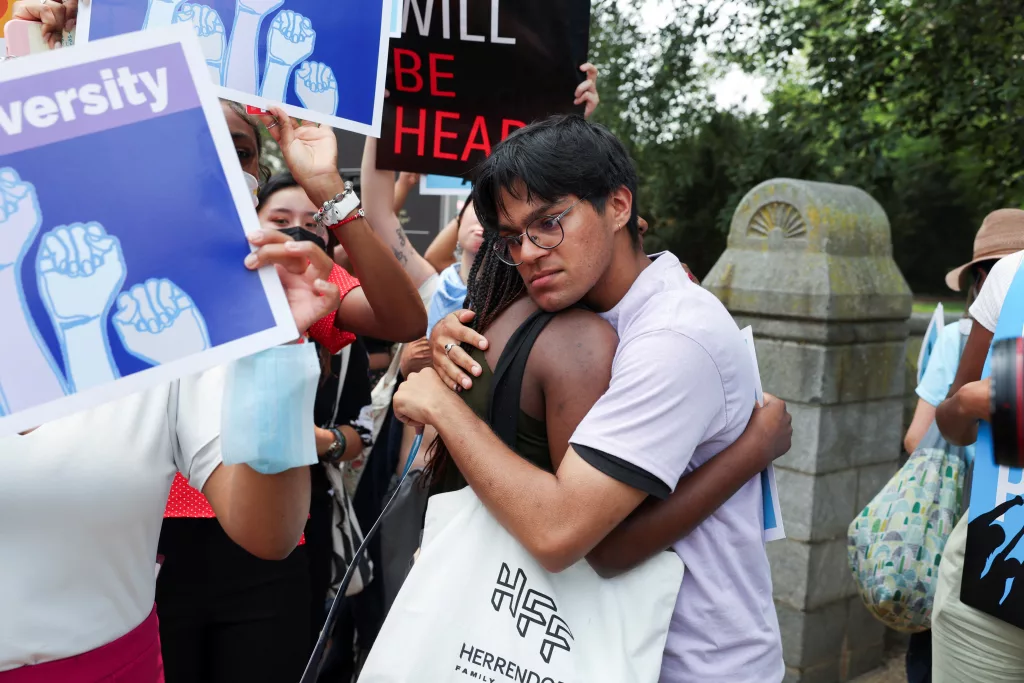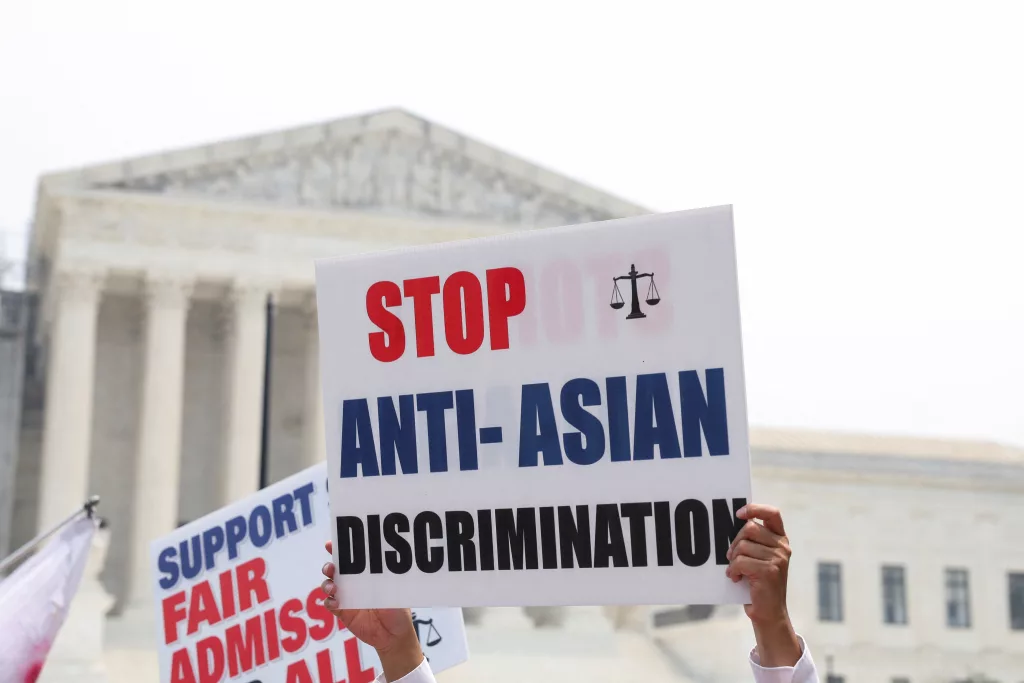

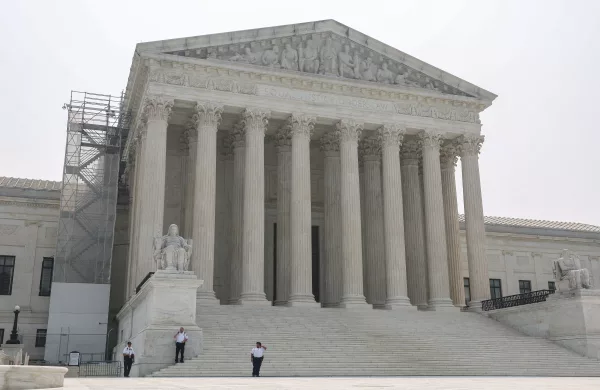
The Supreme Court on Thursday struck down affirmative action in college admissions, declaring race cannot be a factor and forcing institutions of higher education to look for new ways to achieve diverse student bodies.
The court’s conservative majority effectively overturned cases reaching back 45 years in invalidating admissions plans at Harvard and the University of North Carolina, the nation’s oldest private and public colleges, respectively.
Lower courts upheld admission systems at both schools, rejecting claims that the schools discriminated against white and Asian American applicants. But at Supreme Court arguments in late October, all six conservative justices expressed doubts about the practice, which had been upheld under Supreme Court decisions reaching back to 1978, and as recently as 2016.
Leaders of scores of universities said Thursday that they were disappointed by what they see as a blow to diversity.
Locally, Knox College President C. Andrew McGadney issued a statement following the opinion by justices. In it, he said that “Access to higher education is fundamental to our success as individuals, families, communities and as a global society.
He went on to say, “We are proud to be one of the most diverse liberal arts campuses in the United States, with a campus community that includes a wide array of races, ethnicities, socio-economic backgrounds, ages, cultures, genders and gender identities, sexual orientations, and beliefs.”
Additionally, he added that it is too early to predict how the ruling will shape the national admissions landscape but that they will evaluate the impact of the decision and keep the community informed of any major changes or adjustments to Knox’s practices in order to fully live out the values and principles that the institution was founded on.
Clarence R. Wyatt, President of Monmouth College, issued a similar statement, saying that his institution remains committed to provide, “a transformative experience within a caring community of learners’ and to ’empower students to realize their full potential, live meaningful lives, pursue successful careers, and shape their communities and world through service and leadership.'”
He says that Monmouth has long supported students of all backgrounds who desired the college experience. “In addition, our Statement of Values reminds us that the College believes in ‘foster[ing] diversity in our curriculum, our community, and beyond, committing ourselves to confronting injustice and building more equitable and inclusive practices, policies, and systems.’ Providing such an opportunity to deserving students helps them to change for the better the arc of their lives. Providing such an opportunity for individuals to realize their full potential also contributes to our country realizing its full promise.”
Beyond race, the decision has the impact to reshape other admissions policies. To draw more underserved populations, experts say colleges may need to do away with policies that advantage white students, from legacy preferences and early admission to standardized test scores.
President Joe Biden said he disagreed with the decision and asked the Education Department to explore policies that could help colleges build diverse student bodies. He also pushed against policies like legacy preferences — admissions boosts given to the children of alumni — that tend to help white, wealthy students.
“We should never allow the country to walk away from the dream upon which it was founded,” Biden told reporters. “We need a new path forward, a path consistent with the law that protects diversity and expands opportunity.”