
Some of downtown Galesburg’s most recognizable buildings didn’t get their look by accident. A pair of grant programs, one run by the city and one by the Galesburg Downtown Council, has helped pay for it.
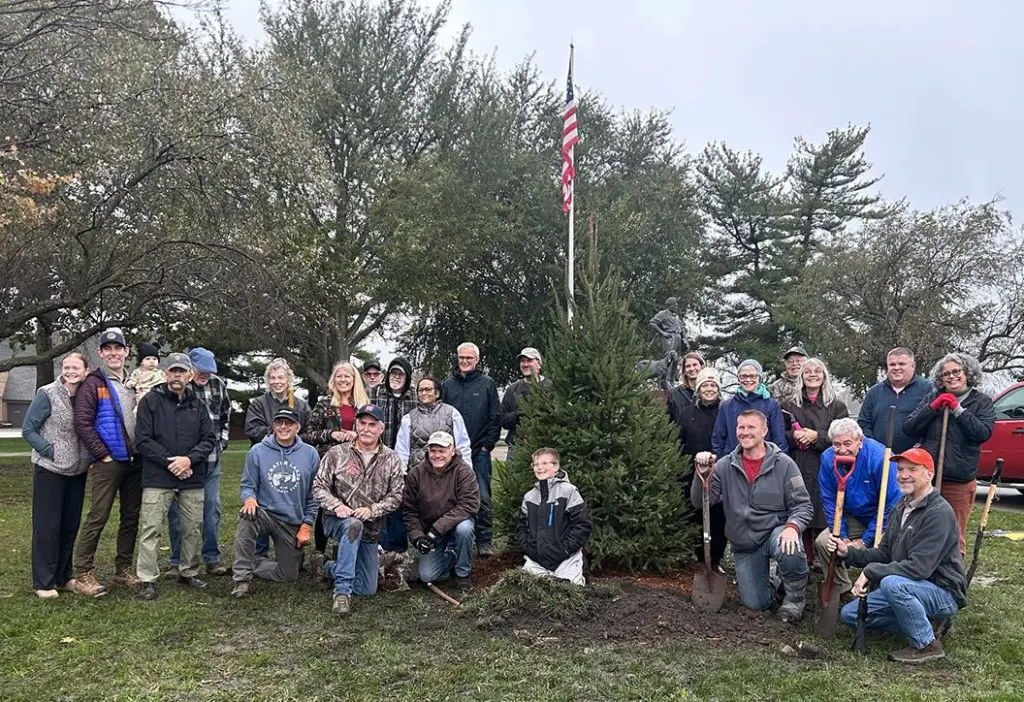
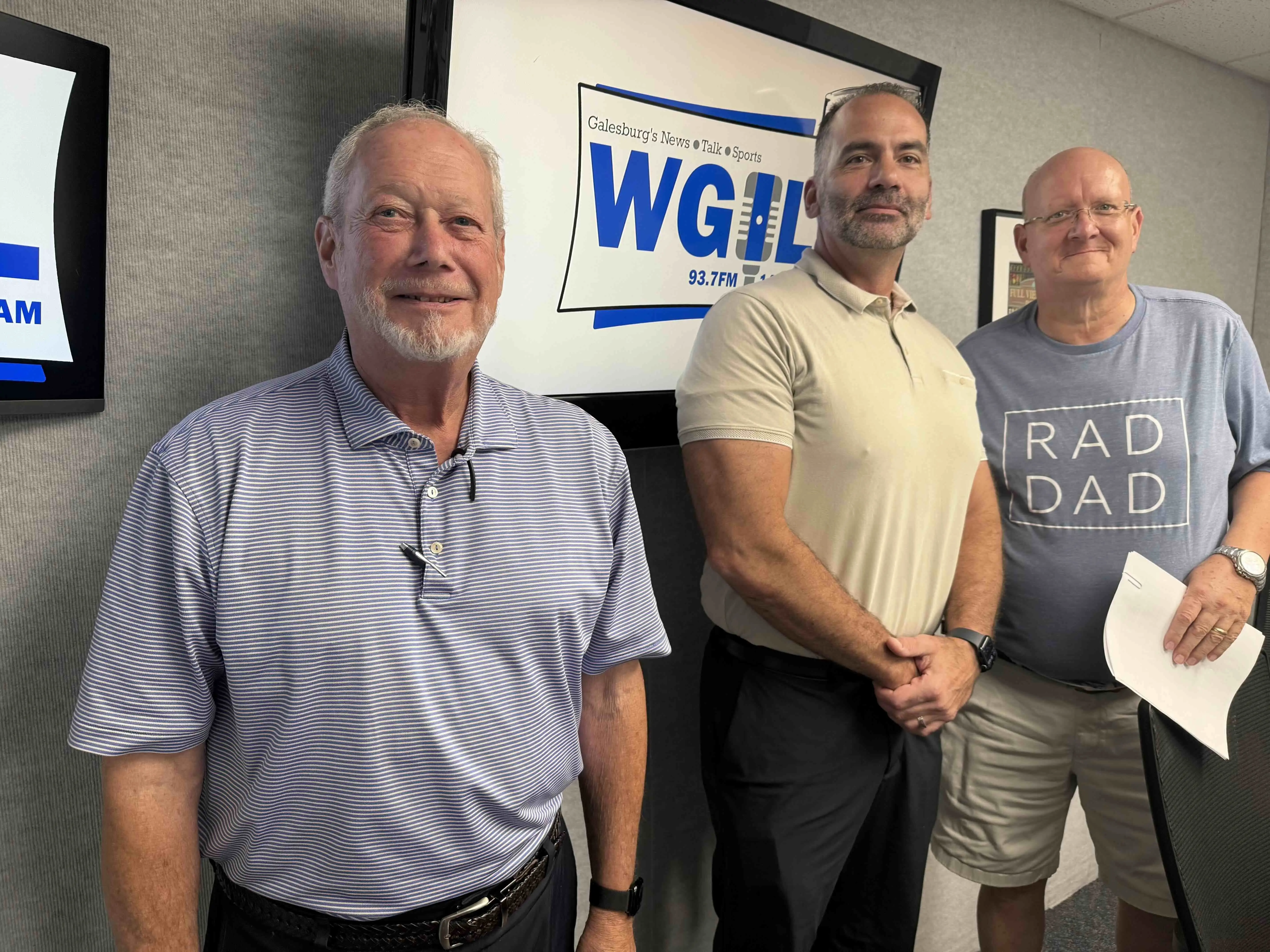
Bob Bondi, board president of the Galesburg Downtown Council; Phil Dickinson, the council’s Facade Committee chair; and Steve Gugliotta, the city’s director of community development, joined Galesburg’s Morning News on Friday to explain how the two programs work.
Bob Bondi, Phil Dickinson and Steve Gugliotta joined Galesburg’s Morning News on Friday, Aug. 7. Listen to the full interview below.
Two programs, two different scopes
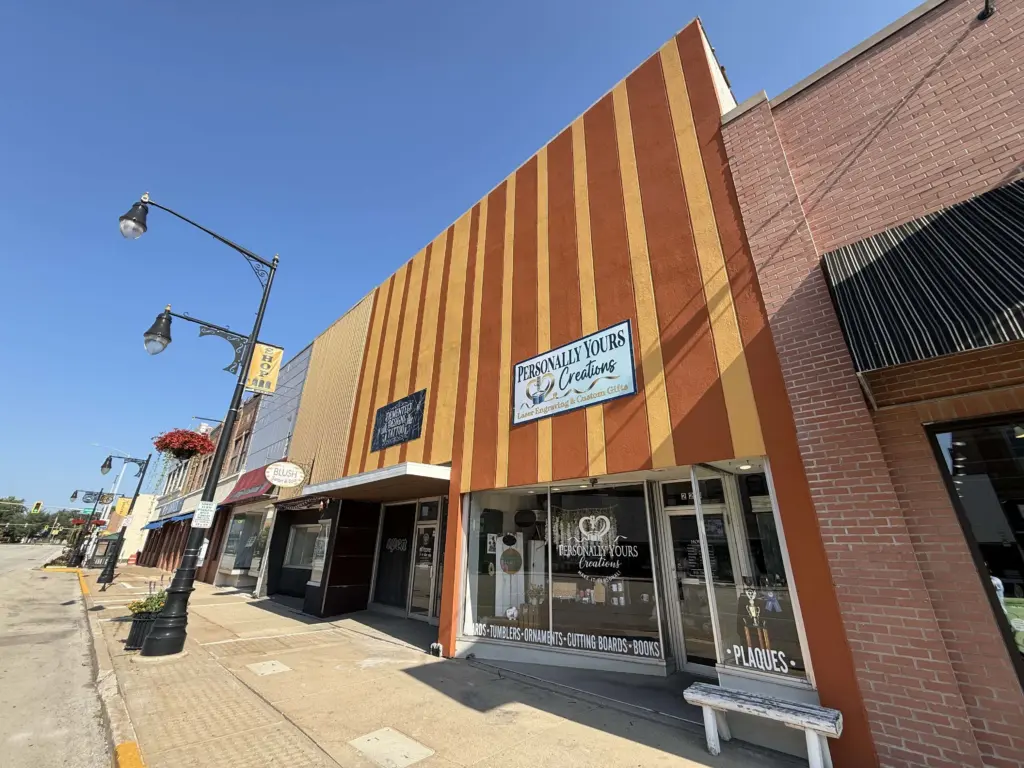
The city’s facade program covers a defined downtown area stretching roughly from Academy Street to Chambers Street, and from North Street south to just past Simmons Street. Property owners who spend at least $20,000 on a facade project can apply for reimbursement of 50% of costs, up to $40,000. The program started in 2009 and has approved 37 projects since, funded through Tax Increment Financing.
The Downtown Council’s program covers a smaller area known as the Special Service Area, roughly from Chambers Street to Cedar Street. It reimburses up to $10,000, or 50% of a project’s cost, and focuses on smaller-scale work: signage, awnings, entry doors, and painting.
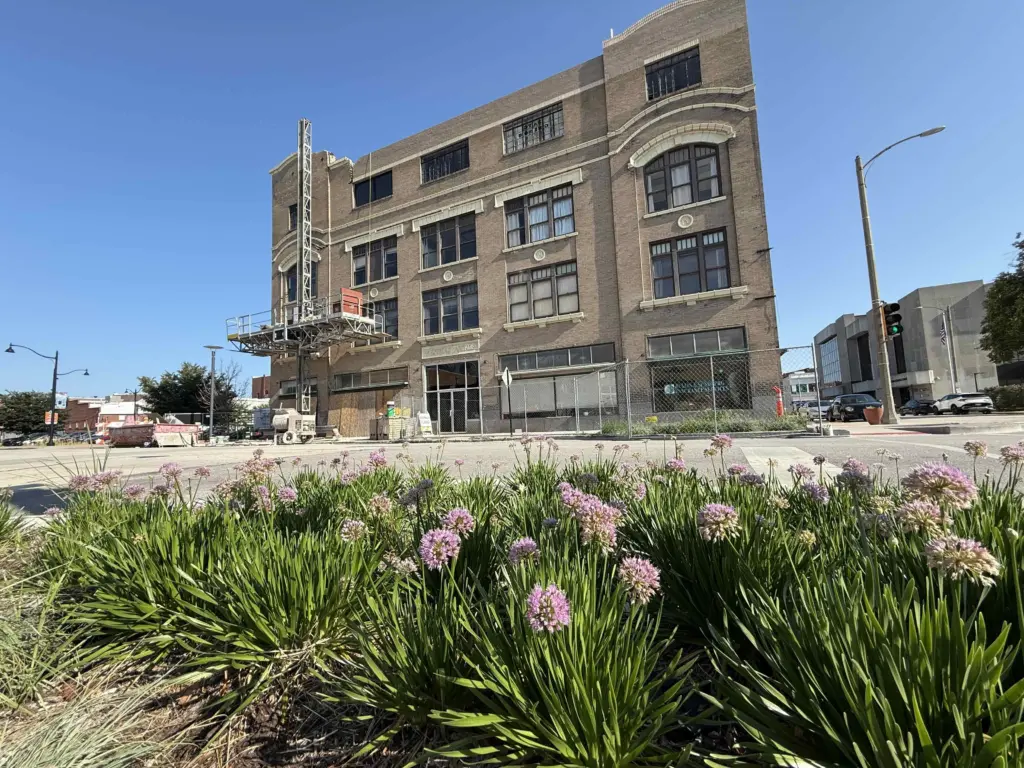
Property owners can use both programs on the same project. The current renovation at the Weinberg Arcade building, which is undergoing masonry and brick repair, is one example of the two grants working together.
Other current projects include work at 221-223 E. Main St. and 10 W. Main St.
Where the money comes from
The Downtown Council’s program is funded through the Special Service Area, an arrangement in which property owners within the district agreed to pay a property tax rate 2.5% higher than the standard rate. That revenue, collected through the state and passed back through the city, also funds downtown maintenance, seasonal decorations, and the council’s grounds crew.
“If we could have our neighborhood all looking good, we all benefit from it,” Bondi said.
The city’s program draws on Tax Increment Financing dollars, which come with restrictions on how they can be spent. TIF funds can cover structural work like masonry repair, storefront changes, and architectural fees, but not things like sidewalk paving.
Decades of projects
The partnership between the city and the Downtown Council traces back to the 1970s, when Galesburg was selected as one of three original cities in the National Main Street Program, a response to the retail anchors the city lost when a mall opened nearby.
“We’re just sort of maintaining the road that they built,” Dickinson said.
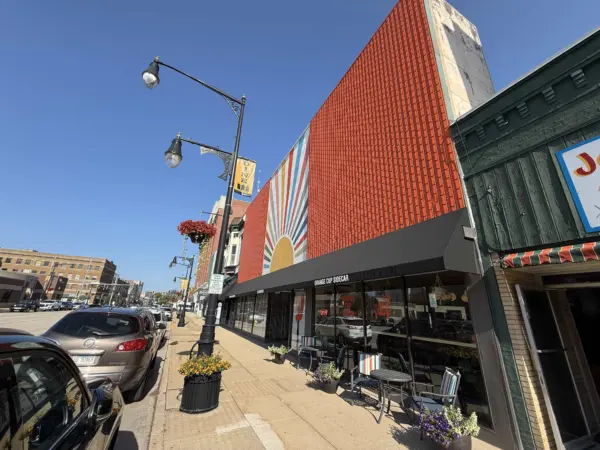
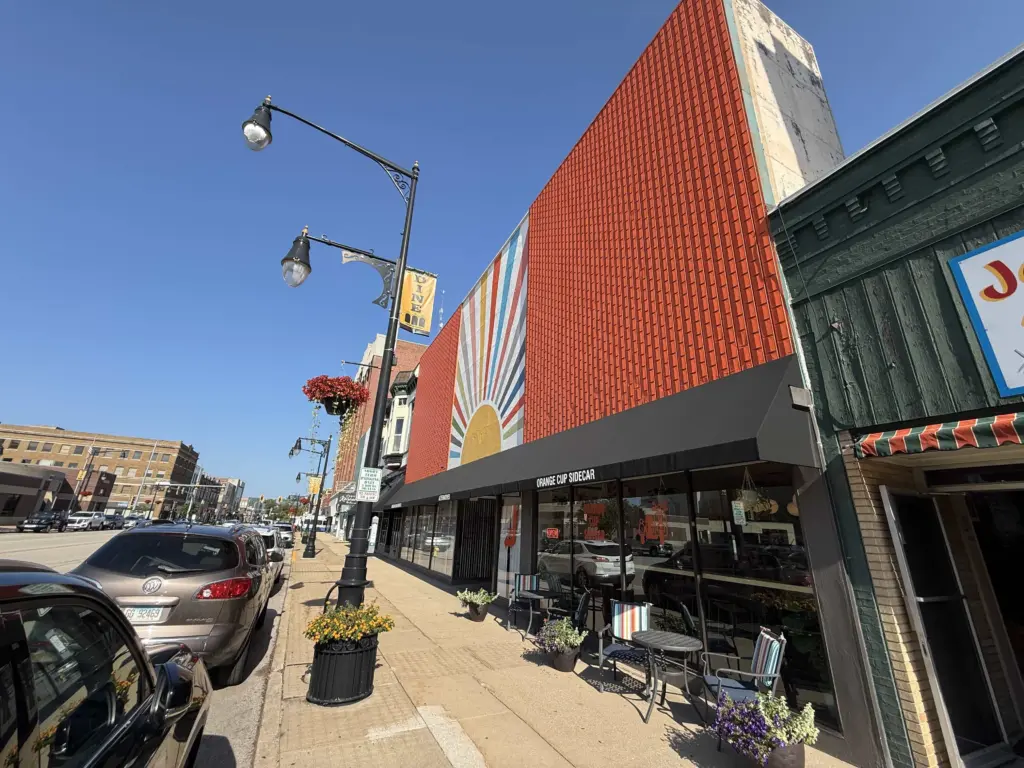
The first joint facade project, completed around 2009, was the Weaver Main Street building, now home to Jimmy John’s and Wordsmith Bookshoppe. Since then, projects have included the Bondi Building’s restored 1928 entry doors and stained glass, the Orange Cup Sidecar building, Music Makers, and buildings that now house Cornucopia, Jimmy’s, The Vault, and Bar 65.
The Downtown Council’s awning program was recently expanded to include cleaning and restitching existing awnings rather than only funding full replacements, cutting costs for property owners by roughly three-quarters compared to buying new.
What makes downtown Galesburg different
All three guests pointed to the same thing when asked what sets Galesburg’s downtown apart: consistent involvement from property owners and close cooperation between the city and the Downtown Council.
Bondi said the Downtown Council’s 15-member board meets monthly, with strong attendance from members who own property in the district. “Because of that interaction and the willingness for everybody to communicate openly, it makes it a special area to live, prosper in,” he said.
“The more we can beautify the downtown, the more eyes on the street we can get, the more comfortable people are,” Gugliotta said.
Free downtown parking, the result of roughly 15 years of lobbying to remove parking meters, was also cited as a major factor in keeping visitors downtown longer.
Looking ahead
Officials said future efforts will focus on additional facade funding, inspections of aging false facades for safety, and continued support for converting vacant upper-story space into housing. The city currently offers separate programs to help with sprinkler and fire alarm installation for interior residential conversions.
How to apply
Property owners interested in the city’s program are encouraged to contact the Community Development Department at Galesburg City Hall. Applications go through the Facade Advisory Committee before a final vote by the City Council.
For the Downtown Council’s program, applications are available on the council’s website and require two contractor bids along with project drawings. Applications are reviewed monthly by the council’s Facade Committee before going to the full board for a vote.