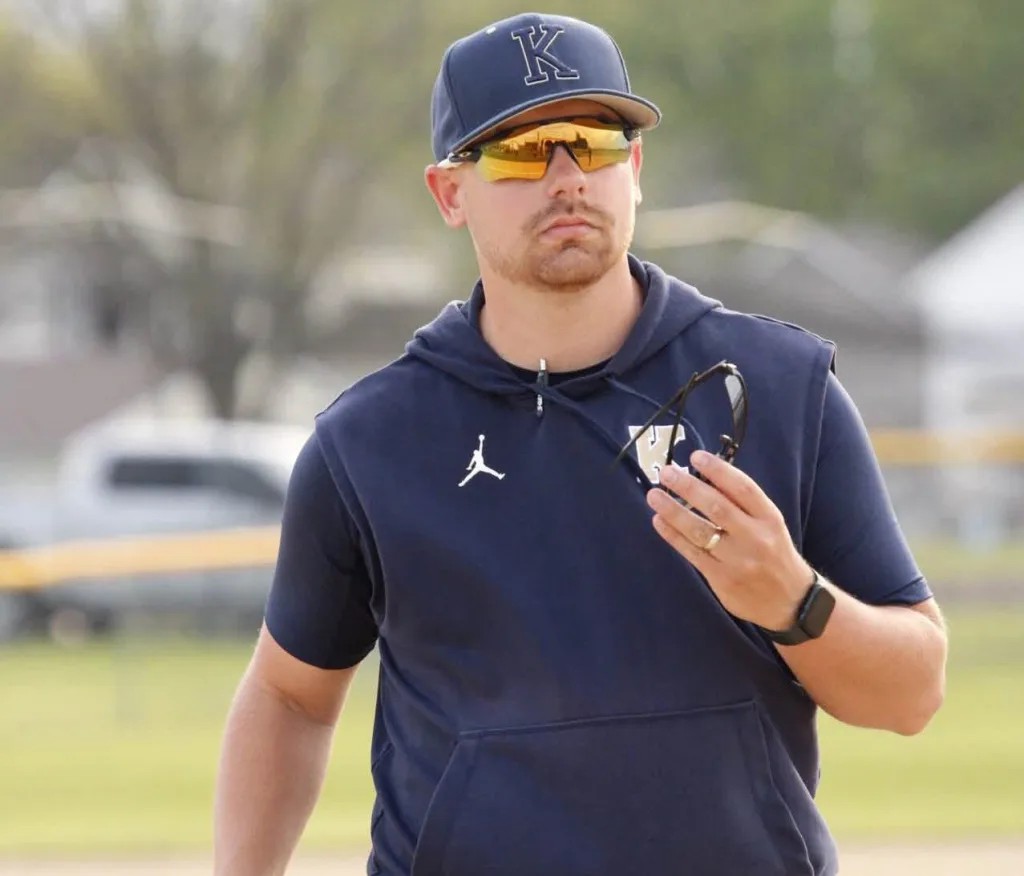


Monmouth police will stop using Flock Safety’s automated license plate reader cameras when the city’s current contract expires in December.
Police Chief Joe Switzer told the Monmouth City Council during its Monday, Oct. 5, meeting that he will not renew the agreement, which was set to renew Dec. 5.
“As part of the renewal process, I’ve assessed the cost in the system and the measurable benefits that the department receives from the system,” Switzer said. “In my assessment, the cost of benefits is not there to continue the expenditure of funds.”
The decision comes as Flock cameras have drawn debate in communities across the region, including calls from some residents for Galesburg to end its use of the technology.
Petition and records requests
Monmouth resident Bob Rogers told the council his petition calling for the contract not to be renewed and the cameras removed had just under 600 signatures. He said a council member had challenged him to reach 1,000.
Rogers said the police department declined his Freedom of Information Act request for raw Flock data, including searches, alerts, and information collected by the cameras, citing Illinois law that makes the information confidential.
He said the department did provide incident reports showing the system was used in cases involving stolen cars and a traffic stop for an expired license plate that led to the discovery of drugs.
Rogers said the department told him it does not keep a separate record of every case in which Flock was used.
“As a retired business analyst, I have to tell you if you can’t measure it, you can’t manage it,” Rogers said.
Jeffrey Tilson, who has lived in Monmouth since 2024, also urged the council to suspend the use of Flock and similar technology and remove the equipment. He said he had personally been harassed by the technology and believes it is unconstitutional.
Monmouth entered into its contract with Flock Safety in 2024 for four license plate cameras, at a cost of $28,400 for the first year and $12,000 annually after that, according to Tri States Public Radio. Without cancellation at least 30 days before the agreement expires, it would have renewed automatically for 24 months, TSPR reported.